







Search Results for: Amber Queen
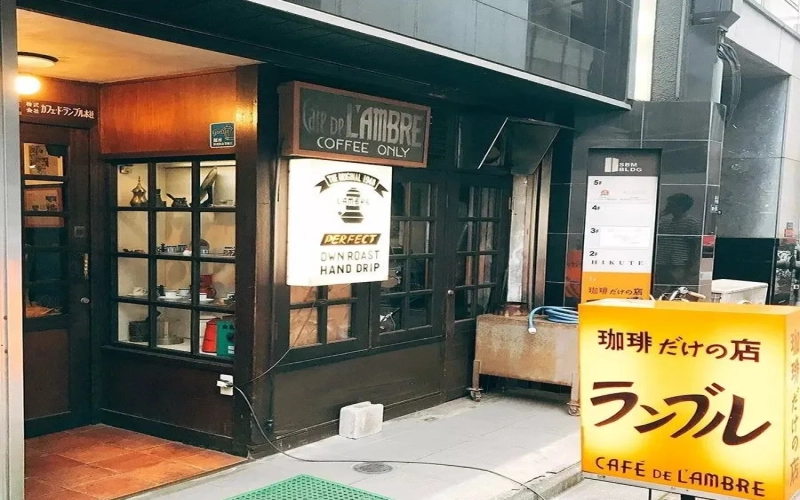
Amber Queen Coffee Recipe Tutorial: How to Recreate the Classic Layered Drink from Amber Café in Ginza, Tokyo
In Ginza, Tokyo, there is a long-established high-end coffee shop founded in 1948—Café de L'Ambre, famous for its founder Ichiro Sekiguchi's ultimate pursuit of coffee quality. But compared to the shop itself, its original drink "Amber Queen" actually enjoys greater fame. This coffee has sweetened cooled black coffee on the bottom layer, with unsweetened condensed milk floating on top; one sip lets you experience the dual flavor of coffee and milky aroma at the same time, and the visual effect is also extremely soothing. Many enthusiasts try to recreate it at home, but often encounter the problem of the condensed milk sinking and being unable to form layers. This article will share the complete method for making Amber Queen, from explaining the principles to the brewing steps, to help everyone make a cup of this classic Japanese-style coffee drink with distinct layers. [more…]
A Complete Guide to Hawaiian Kona Coffee: From Terroir to a Flavor Comparison with Jamaican Blue Mountain
Hawaii is the only U.S. state that produces coffee, and the Arabica coffee grown in the Kona region of the Big Island is renowned worldwide. This article will guide you through Hawaii's coffee-growing environment, the unique terroir of Kona coffee and its tradition of home cultivation, and take an in-depth look at Queen Farm's specialty Kona beans and recommended roasting approaches. We will also compare Kona with the equally famous Jamaican Blue Mountain coffee, examining their differences in history, growing regions, processing methods, and flavor profiles, to help coffee lovers find the perfect island coffee for themselves. [more…]
The Legendary Story of Hawaiian Kona Coffee: A Comprehensive Analysis of Variety Characteristics, Growing Conditions, and Flavor
Hawaii is the only U.S. state that produces coffee, and Kona coffee is the crown jewel among them. From the perspective of Front Street Coffee, this article guides you through an overview of Hawaiian coffee, the unique terroir of the Kona region, information on specialty beans from Queen Estate, and Front Street Coffee's roasting recommendations and flavor descriptions. We will also compare Kona with Jamaica Blue Mountain, analyzing their similarities and differences in variety, altitude, processing method, and flavor. Whether you are new to specialty coffee or eager to explore the charm of island coffee, this article will provide you with a complete and professional reference. [more…]
What are the differences between Qimen Maofeng and Qimen Haoya? A comprehensive analysis of the two major Qihong categories, from their origin history to their grade and taste.
Qimen black tea originates from Qimen County, Anhui Province, and is one of China's traditional famous teas, renowned for its rich fruity aroma and mellow taste. It encompasses numerous varieties, among which Maofeng, Haoya, and Gongfu are the most common. This article compares Qimen Maofeng and Qimen Haoya, tracing the historical origins and variety system of Qimen black tea, detailing Maofeng's appearance, aroma, liquor color, and brewing suggestions, while also explaining its differences in grade and style from Haoya and Gongfu. The article also mentions the connection between Queen Elizabeth II of the United Kingdom and Qimen Maofeng, and provides relevant recommendations from the Front Street brand for coffee and tea enthusiasts, helping readers establish a clear understanding when purchasing and tasting. [more…]
A Comprehensive Analysis of Jamaica Blue Mountain Coffee's Core Producing Regions and Renowned Estates
Jamaican Blue Mountain coffee is renowned worldwide for its exceptional quality, and the stylistic differences among various producing regions and estates often determine the caliber of flavor in the cup. This article will systematically review the main producing origins of Blue Mountain coffee, including representative estates such as Wallenford, Amber, MoyHall, and Mavis Bank, comparing their output, packaging, market destinations, and quality tiers. At the same time, we will also introduce the Clifton Estate Blue Mountain No. 1 purchased by Front Street Coffee, covering everything from the estate's background and certification information to its flavor performance, giving you a comprehensive understanding of what makes this top-tier Blue Mountain coffee so unique. [more…]
A Comprehensive Guide to Jamaican Blue Mountain Coffee Bean Grading Standards and Flavor Profile
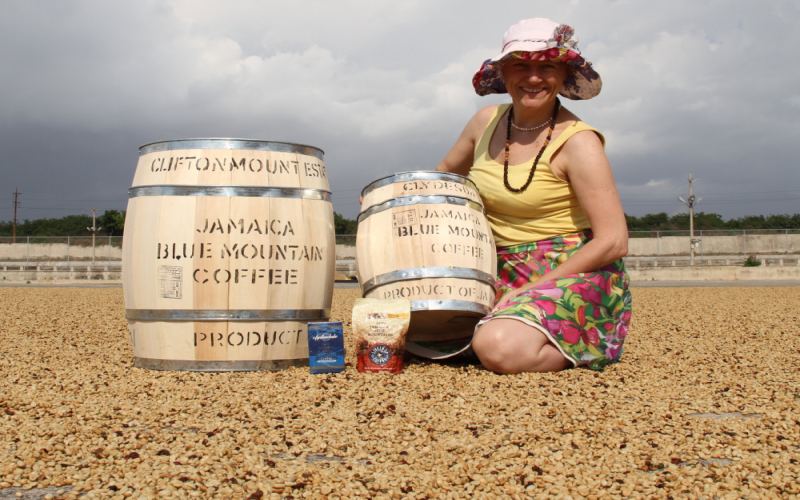
Blue Mountain coffee has long been celebrated as one of the world's finest coffees, but do you know exactly how it is graded? Jamaican Blue Mountain coffee is strictly divided into three major categories based on growing altitude and green bean size: Jamaican Blue Mountain Coffee, Jamaican High Mountain Coffee, and Jamaican Supreme Washed Coffee. Among these, Blue Mountain No. 1 beans and Embo No. 1 beans both belong to the specialty grade, yet their prices differ dramatically. High-spec Blue Mountain is further subdivided by screen size into No. 1, No. 2, and No. 3, and official cupping has confirmed that their flavor profiles are identical—only the bean size differs. This article will guide you through the Blue Mountain coffee grading system, green bean export specifications, and a price reference for the Clifton Farm Blue Mountain No. 1 roasted beans currently selected by Front Street Coffee. [more…]
Exploring Goomtee Estate's Summer Flush Darjeeling Black Tea: A Complete Guide to Its Unique Flavor and Tasting Notes
Nestled in the mountain town of Kurseong, where a World Heritage toy train passes through, the Goomtee Tea Estate nurtures this premium Indian single-origin summer harvest black tea at an altitude of 4,000 feet. The liquor is a bright amber, with aromas interweaving apricot, plum, pomelo, and soft oak notes. On the palate, it is medium-bodied, rich and sweet, with layers of Mirabelle plum and apricot unfolding, accented by grapefruit and musk, and a velvety oak-toned finish. The dry leaves exude aromas of hazelnut, caramel, and cedar blended with ripe rambutan and almond nougat; the wet leaves hint at damp wood, vegetation, and peach. Paired with scones, croissants, or buttered toast, it makes for an unforgettable summer black tea experience. In this issue, Front Street Coffee will take you deep into this iconic tea estate, offering a complete interpretation of this Darjeeling summer harvest black tea's unique charm—from liquor, aroma, and appearance to food pairing—and sharing practical information for a Goomtee tea tourism getaway. [more…]
A Comprehensive Interpretation of Jamaican Blue Mountain Coffee Grading Standards, Flavor Characteristics, and Market Prices
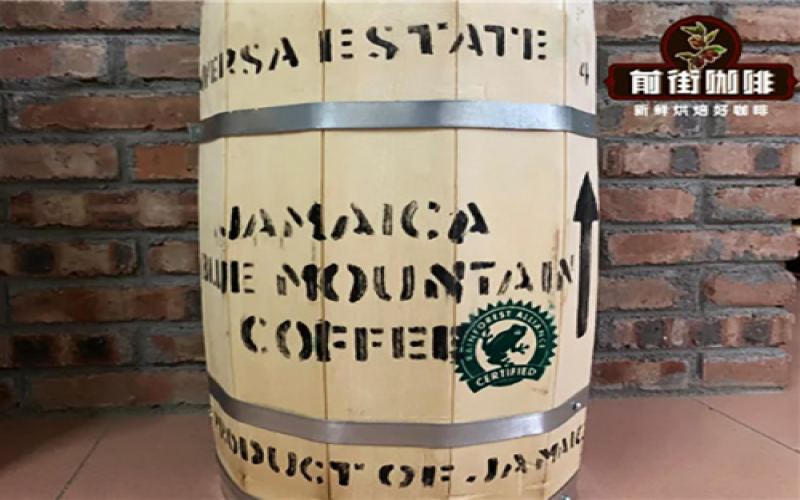
Blue Mountain coffee is world-famous, but many people are unclear about its grading and pricing system. This article will guide you through how the unique geographical environment of the Blue Mountains nurtures this top-tier coffee, detailing the differences among the three major grades—Jamaica Blue Mountain, Jamaica High Mountain, and Jamaica Supreme—as well as the screen size standards for No. 1, No. 2, and No. 3 beans and the barrel export specifications. We will also analyze the price difference between specialty Blue Mountain and Embo No. 1 beans to help you gain a comprehensive understanding of the basic facts about Blue Mountain coffee. Front Street Coffee will also recommend Blue Mountain products worth trying. [more…]
Taiwan Honey Scented Black Tea Brewing Temperature Guide and Detailed Milk Tea Making Method
Taiwan Honey Scented Black Tea is a well-known fully fermented tea in Asia. Because of the bites of the small green leafhopper, it carries a natural honey fragrance. The tea liquor is amber in color and tastes sweet and lingering, with no need for added flavorings. This article focuses on the optimal brewing water temperature, covered steeping time, and milk tea preparation method for Honey Scented Black Tea, while also introducing Front Street Coffee's quality control and origin advantages for this tea, helping coffee and tea drink lovers easily brew a naturally delicious cup in daily life. [more…]
Taiwan Tea No. 18 Ruby Black Tea Brewing Guide: Water Temperature, Time, Flavor Characteristics, and Authentic Origin Analysis
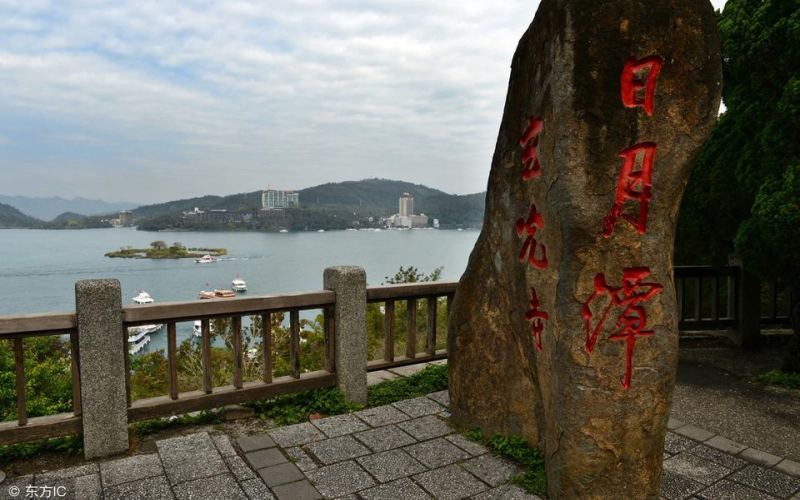
Taiwan Tea No. 18 Ruby Black Tea is a unique cultivar developed by the Taiwan Tea Research and Extension Station, grown beside Sun Moon Lake in Yuchi Township, Nantou. It is a hybrid of the Burmese Assam strain and native Taiwanese wild mountain tea. The liquor is deep amber in color, with a complex aroma of mint, eucalyptus, pepper, and jam, very low astringency, and a clean, rich flavor. For brewing, it is recommended to steep it in 90°C hot water for 3 to 4 minutes, and it can be re-steeped multiple times. The Ruby Black Tea and Ruby GABA Black Tea recommended by Front Street Coffee are both worth trying. This article will guide you through this cultivar's origins, flavor characteristics, and the best brewing methods. [more…]
What's the difference between Tieguanyin and Red Oolong? Understanding everything from fermentation level and flavor to charcoal roasting features at a glance
Tieguanyin and Red Oolong both belong to the oolong tea family, yet due to differences in fermentation degree and tea-making craftsmanship, they present截然不同的 flavor profiles. This article approaches the comparison from three dimensions—sweetness type, level of fermentation, and tea liquor color and acidity—comparing the aroma, taste, and characteristics of the dry leaves and brewed tea of each, while also analyzing the unique growing conditions and production traditions of Taiwanese oolong tea. The article also introduces the origin of the name Tieguanyin and its cultivation situation in Taiwan, and recommends related products from Front Street Coffee for the reference of coffee and tea enthusiasts. [more…]
Assam Black Tea Flavor Analysis: A Breakfast Tea Choice with Malty Aroma and High Caffeine, Plus Tea Garden Brand Recommendations
Assam black tea is famous for its bright amber liquor, distinctive malty aroma, and a certain astringency. Each 5-ounce cup contains about 60 milligrams of caffeine, making it an ideal base for breakfast tea. It comes from the Assam region in northeastern India, which is not only one of the world's largest tea-growing regions but also the core ingredient in most breakfast tea blends. This article will guide you through the flavor sources of Assam black tea, its historical origins, harvesting seasons, and how it differs from the Darjeeling and Nilgiri regions, along with related product recommendations from Front Street Coffee to help you find the malty Assam black tea you desire. [more…]
Brewing Yingde Yinghong No.9 Black Tea: A Full Analysis of Flavor Layers Across Seven Infusions, from Fruity Sweetness to Roasted Notes
Yinghong No.9 comes from Yingde, Guangdong, and is named after an experimental cultivar. The dry leaves are tightly rolled with visible golden buds, carrying forest-floor earthiness and a roasted aroma. In this session it was brewed gongfu style, using 3g of tea with 150ml of boiling water, a 45-second first infusion, and an extra 15 seconds for each subsequent infusion, for five to seven consecutive steeps. Front Street Coffee recommends brewing it in a gaiwan, which better reveals its complete progression from sweet, fruity notes to woody roast. From the first infusion's deep amber color, musky earthiness, and sweet plum flavors to the seventh infusion's roast and astringency, each steep delivers a different experience. This tea suits lovers of earthy, fruity, or roasted black teas, and is especially good for savoring on a winter afternoon. [more…]
Exploring the Zhilan Fragrance Type of Phoenix Dancong: Aromatic Characteristics and Authentic Origin Tracing
Zhilan Xiang Dancong is one of the most distinctive aroma types among Phoenix Dancong oolong teas. Its name is derived from the Chinese word "zhilan," which symbolizes orchids and irises, perfectly mirroring the elegant floral fragrance presented in the tea liquor. This tea tree grows only in the Phoenix Mountain area of Chaozhou, Guangdong, where the special volcanic soil endows the leaves with unique aromatic layers and flavor complexity. Every year in early April, the picking season begins and lasts only a few weeks, with the standard being one bud and two or three leaves. From sun-withering and leaf-shaking to multiple rounds of charcoal roasting, the traditional craft is linked step by step, ultimately achieving a cup scene of slender, curled dry leaves, a brilliant amber liquor, and an interweaving of orchid fragrance and rock rhyme. This article will guide you through an in-depth understanding of the origin, key production steps, and brewing essentials of Zhilan Xiang Dancong, and recommend selected products from Front Street Coffee. [more…]
Where can I buy authentic Phoenix Ginger Flower Fragrance Dancong charcoal-roasted oolong? What is the approximate price per liang? Includes tasting notes.
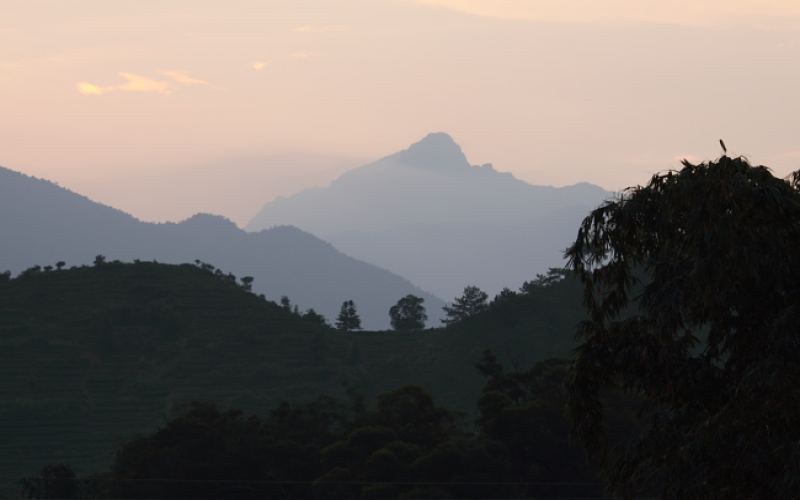
Ginger Flower Fragrance Dancong is one of the most beloved aroma types among Phoenix Dancong. This 2021 spring-picked charcoal-roasted Dan Cong oolong tea from Phoenix Village, Guangdong, is a medium-roast style. The dry leaves carry a fresh toasted bread-like aroma, interwoven with the sweet notes of honey and caramel. The roast level falls between medium and high fire, running through the entire production process. The first three to four infusions display rich minerality and a ginger-like spiciness, gradually shifting toward sweetness. The tea liquor is deep amber, mellow and smooth, with a pronounced minerality on the tongue and a lasting sweet aftertaste. Because it was only roasted 20 days ago, the fire character has not yet fully dissipated and needs several more months of aging to reach a rounded state. This article will detail the origin, flavor performance, and purchasing advice for this tea, and recommend related products from the Front Street Coffee brand. [more…]
A Complete Analysis of Jamaican Blue Mountain Coffee: Flavor Profile, Growing Regions, and History from Cultivation to Grading
Jamaican Blue Mountain coffee is widely recognized as one of the finest coffees in the world, and its distinctive flavor stems from the superior climate and geological conditions of the Blue Mountains. This article begins with the historical origins of Blue Mountain, then examines its cultivation methods, production challenges, and strict grading system, giving you a comprehensive understanding of the differences between Blue Mountain coffee, High Mountain coffee, and Jamaican coffee. It also introduces Front Street's recommendations for Blue Mountain coffee, along with the stories of the five main production regions in the Blue Mountains and the Chinese-owned estate Amber, offering coffee lovers a complete guide to Blue Mountain coffee knowledge. [more…]
Is Wudong Magnolia Fragrance Dancong More Authentic? Analyzing Its Unique Flavor and Charcoal Roasting Craft
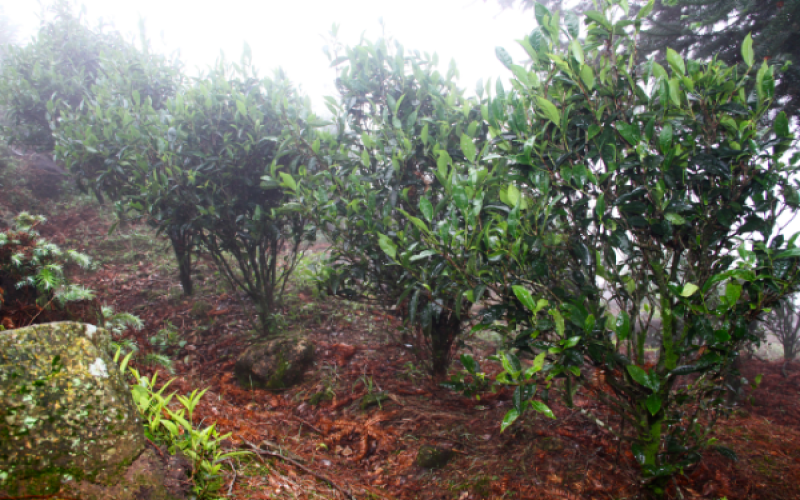
Yulan Xiang Dancong is a relatively rare traditional variety within Phoenix Dancong. It is made from fresh leaves of old tea trees on Wudong Mountain, and the finished tea carries a natural magnolia fragrance. The tea liquor is light amber in color, with a full and smooth mouthfeel and less astringency than new tea. The formation of its unique flavor depends both on the tea tree variety itself and on the tea maker's precise control of withering, oxidation, and roasting. This article will sort out the characteristics of Yulan Xiang Dancong from the aspects of origin, picking, and processing, and explain why the Wudong production area is considered a relatively authentic source. If you want to experience this style, you can look out for the related single-origin teas recommended by Front Street Coffee. [more…]
Where does the pine smoke aroma of Lapsang Souchong come from? The birth of the world's first black tea and its origin in Tongmu Village
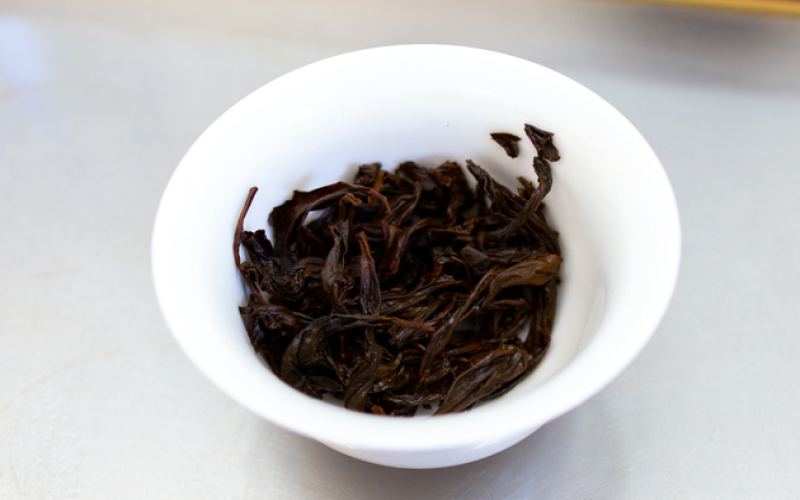
Lapsang Souchong is widely recognized as the world's earliest black tea, originating from Tongmu Village in the Wuyi Mountains of Fujian. Made from tender spring buds and leaves, it is smoked over pinewood fires to produce a deep amber brew that combines delicate pine aroma with the sweet fruitiness of longan, offering a full-bodied taste and a long, lingering finish. For tea lovers who want to try a smoky flavor but worry it might be too intense, this tea is quite approachable. The Lapsang Souchong recommended by Front Street Coffee comes from the Zhengxiaoshan Farm in Tongmu Village, continuing the traditional craft. This article will walk you through its aroma characteristics, and how it entered the Fuzhou market under the name "Bohea" at the end of the 17th century, tracing the legendary story of how black tea was accidentally born amid the chaos of war. [more…]
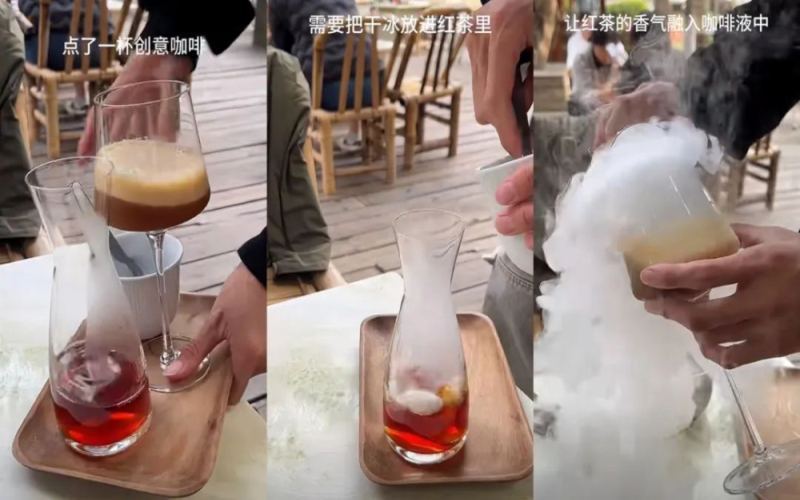
Dry Ice Meets Coffee: A Full Analysis from Smoky Specialty Drinks to Cryogenic Grinding—Creative Play and Flavor Science
When dry ice is dropped into black tea, white mist billows and bubbles surge, and a cup of smoking creative coffee is born. This presentation style, which appeals to both sight and smell, is sparking a new wave in the coffee world. From Hong Kong champion barista's Amber Coffee Brewery, to the extraction technique of freezing coffee beans before grinding, to the unconventional trick of using dry ice instead of ice cubes during pour-over, the applications of dry ice in coffee are far more diverse than one might imagine. This article walks you through the principles and flavor logic behind these creative operations, and shows how baristas use modern technology to give a cup of coffee a richer layered expression. [more…]
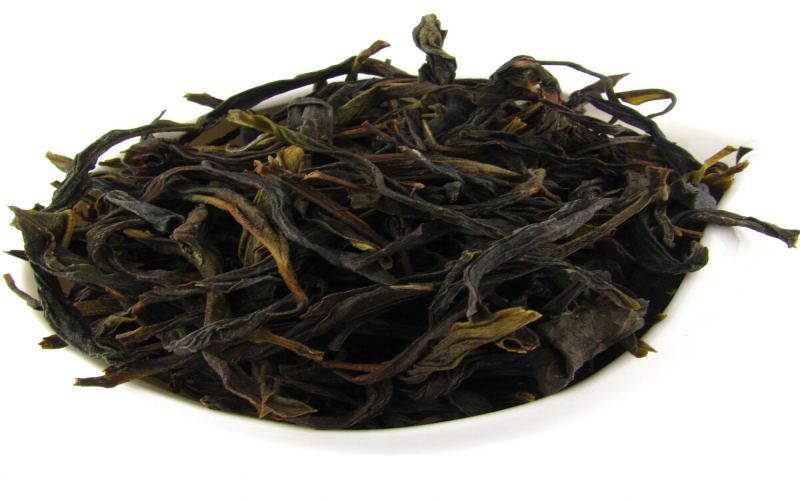
A Comprehensive Analysis of the Name Origin, Flavor Characteristics, and Gongfu Brewing of Duck Shit Dancong Oolong
Duck Shit Dancong is one of the most oddly named yet most fascinatingly flavored varieties of oolong tea. Many people, upon first hearing the name, wonder: is duck shit really added to the tea? In fact, Duck Shit is merely the name of a tea tree cultivar and has nothing to do with duck droppings. It is produced in the Phoenix Mountains of Guangdong. The finished tea has a dark brown color with slightly curled strips. After brewing, the liquor takes on a deep amber hue, with a aroma dominated by honeysuckle, jasmine, and gardenia, accompanied by honey and lychee-like fruity sweetness. On the palate it is sweet, rich, and intense, with a slight astringency but an overall balance, and the early infusions often show a creamy smoothness. This article will guide you through the origin of the name Duck Shit, the production process, the background of its place of origin, its flavor characteristics, and the specific parameters for gongfu brewing, so that you can fully understand this dancong oolong whose name is "flavorful" yet which bursts with floral fragrance when drunk. [more…]